Simone Biles Put the Medal Down and Kept the Truth
She told the truth, got help, won again on her terms, and gave herself permission to stop.
In the summer of 2021, at the Olympic Games in Tokyo, Simone Biles walked away from the biggest stage in her sport. She was the defending Olympic all-around champion, the gymnast expected to leave Japan with a handful of gold medals, and she withdrew from the team final and then from the individual finals she had been favored to win. The reason was not an injury anyone could see on a replay. She had the twisties, a gymnast’s word for a sudden loss of air sense. In the middle of a skill, the body no longer knows where it is in the rotation. On a floor exercise that is a problem. On a vault, or off the uneven bars, it can be life threatening.
She said later that people had treated her like a robot, and that the week in Tokyo showed she was not one. “Down to the core, I’m just like you guys. I’m real. It got me the therapy that I deserved, and I’m still currently in therapy.” She has also said gymnasts are not viewed as people who have weaknesses, and that she looks at the choice now as courage rather than a hole in the record. The decision cost her the medals she had been built up to win. It also kept her in the sport long enough to come back.
Three years later, at the Olympic Games in Paris, she did. Team gold. All-around gold. Vault gold. A silver on floor. Eleven Olympic medals in all, across Rio, Tokyo, and Paris, and a list of skills that carry her name because she was the first to land them in competition. Then she stepped off again. By the spring of 2026 it had been nearly two years since the floor final in Paris, her last night on the mat, and she was blunt about the new season of her life. She misses it. She also hates exercise. After doing it for so long, she said, she deserves a break.
That is the story underneath the medals. The most decorated gymnast of her era reached a meet where her brain and her body stopped agreeing, told the truth, got help, won again on her terms, and then gave herself permission to stop. Dominance did not protect her. Honesty did.
Where the Work Was Built
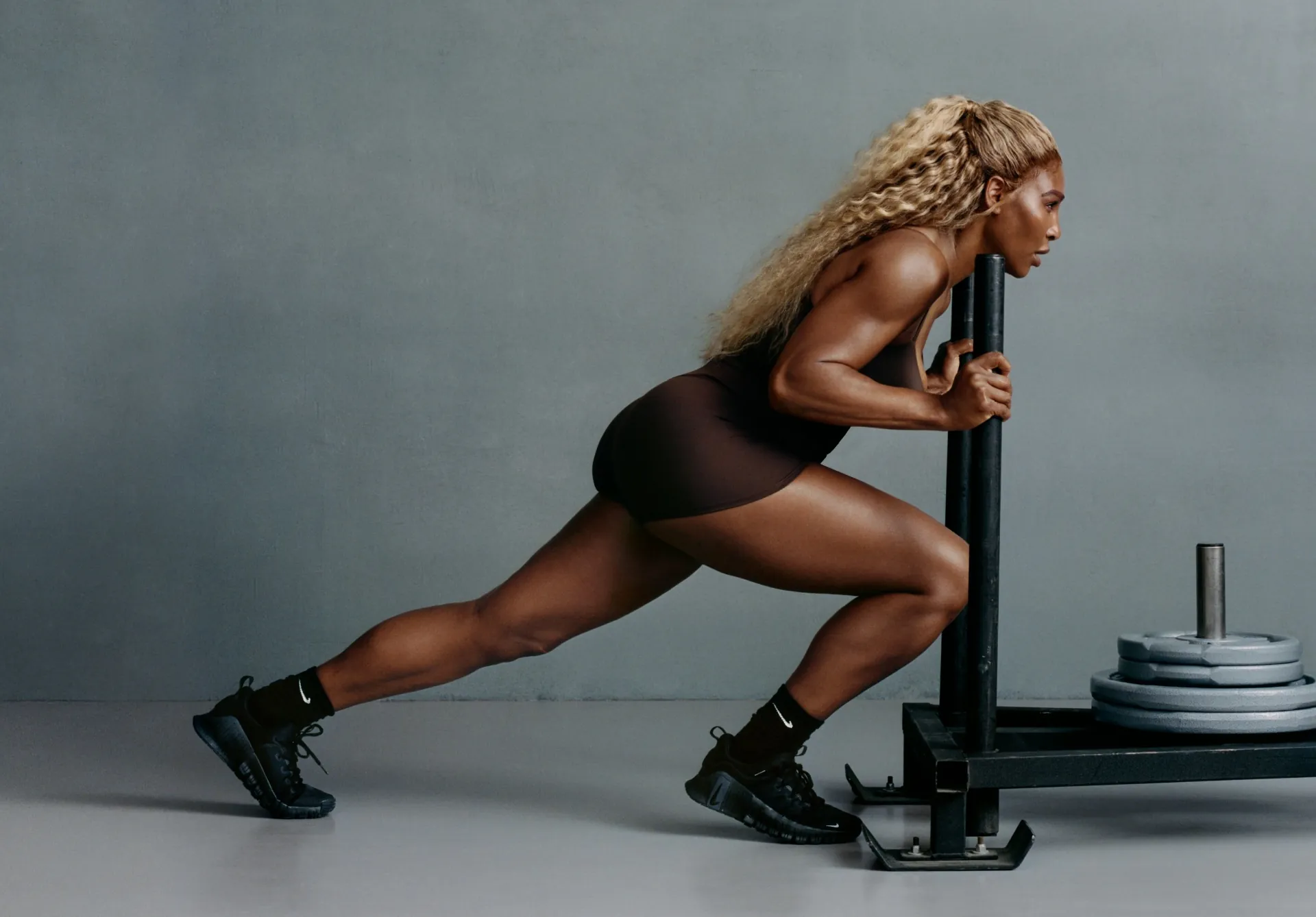
Biles was adopted and raised in Spring, Texas. The gym that made her is World Champions Centre, which her parents own. In the years she was still competing at full tilt, the schedule was not a secret and it was not light. She trained six, sometimes seven hours a day, with Sundays off. The work was gymnastics conditioning, not a fitness-influencer split. Bodyweight. Rope climbs. Casts on the bars, the swinging strength that lets a gymnast move from one skill to the next. Exercises that look like the sport, because a gymnast’s power is specific. A squat record would not have kept her on the beam.
Recovery was equally plain. Massage. Acupuncture. Tape. She and her husband put a cold tub in the backyard. She books a facial every four to six weeks with an aesthetician in downtown Houston. None of it is exotic. It is what a body looks like after it has been asked, on purpose, to do too much for a long time.
Jonathan Owens is an NFL safety, now with the Indianapolis Colts. They married in 2023. She has said meeting him showed her there is more than one way to be a professional athlete. Elite performers get stuck in a loop of comfortable or tired, and then they do nothing. He told her the gymnastics would come back faster than she thought, and that she should go if she could, because regret is its own injury. When she committed to Paris she refused to freeze the rest of her life to do it. She still made the gym the priority. She also went to the wedding. “We can’t put life on hold or pause anymore.” They have two French bulldogs, Lilo and Rambo. She wears a chain with his name on it. The marriage is not a sidebar to the comeback. It is one reason the comeback did not consume her.
What the Training Looks Like When the Olympics Are Over
The competitive day is over, at least for now. She has been back at the family gym playing, not camped. On a video from World Champions Centre she said she was just there to see if she still had it, tumbled into the foam pit, and then admitted it felt like she had just survived a floor routine. She could not catch her breath, so she left. That is a champion using the exit. The session made its point. She did not stay to prove a second point to a camera.
She tried a Pilates class after Paris and posted that she would not be going back. Too hard, she said, which was a joke and also a boundary. The work she has actually described, when she is in it, is still the gymnastics kind. Rope climbs in a pike, arms doing the pulling. Bodyweight. Casts. Core that has to hold a shape in the air, not just show up in a photo.
A core circuit filmed around her and teammate Jordan Chiles is the piece a non-gymnast can take without a foam pit. Hollow pulses, twenty. A hollow hold, five seconds. V-ups, twenty. Another hollow hold. Then Superman pulses, twenty, a short Superman hold, and one more pass. If twenty is fiction, do eight. Ribs heavy, low back down, legs long. Stop when the shape breaks and the exercise becomes something else.


Around that, a week that does not pretend you are training for an Olympic team final:
Two days of strength that resembles her conditioning. A rope or a towel pull if you have one. Push-ups. A row. A carry. Hanging knee raises, or a dead bug if the hollow series already did the core work.
Two days of easy movement. A walk. A bike. She has said the movement now is so she can say she did a little, not so she can perform. That is a legal standard. So is the break she said she earned. Hating the workout and doing twenty minutes is honest. Taking the week off is also honest. Performing exhaustion for an audience is the thing she quit.
One day that is not training at all. She has said she tries to do therapy almost every Thursday, to stay grounded and keep her head on straight. She does not treat the appointment as a confession, and she does not treat the public role as a weight she resents. “I don’t mind, honestly, because I don’t see it as a burden. What I’ve done so far I will keep doing: be vulnerable, open and honest, talk about it and share what I experience.”
The mental lesson is the one that left the gym with her. Name the thing accurately. The twisties were not a slump and they were not nerves in the ordinary sense. They were a loss of spatial awareness in a sport where that awareness is the difference between a stuck landing and a catastrophic one. She said so, in the middle of the Olympic Games, with the world watching and a large share of it unhappy. She got the help. She came back when the air made sense again. She left again when she decided the break was hers.
What She Has Said, in Her Words
“Down to the core, I’m just like you guys. I’m real. It got me the therapy that I deserved, and I’m still currently in therapy.”
“Gymnasts aren’t viewed as people who have weaknesses. Now I look at it as being courageous and not so much a weakness.”
“We can’t put life on hold or pause anymore.”
“I don’t see it as a burden. Be vulnerable, open and honest, talk about it.”
“I actually hate exercise. I feel that after doing it for so long, I deserve a break.”
“I’m at the gym. I’m just playing around to see if I still got it.”


“Physically, my coaches will get me in shape. Mental is a huge thing [for me].”
What to Take From It
Call the problem by its real name. A bad week and a safety issue are different sentences. At the Tokyo Olympics she refused to throw a skill her brain could not locate.
Keep the appointment. She treats therapy the way she treats bodywork. Thursday, almost every week, whether or not the meet is on the calendar.
Do not freeze the rest of life to protect an identity. She got the training in, then she went to the wedding. A comeback that costs the marriage is not much of a comeback.
Train the core as if it has to hold you. Hollow, V-up, Superman. Short, strict, over when the shape goes.
Take the break without writing it up as a failure. She has the Olympic record and she has said, out loud, that she hates exercise right now and has earned the pause. Rest is a phase.
Go back to play before you go back to prove something. A few skills into the pit. Leave when you cannot breathe. The standard does not require a new contract.
Keep a person who is not your sport. Owens told her the work would return, and told her not to live inside the regret of never finding out. That voice matters more, after the Olympics, than another rep.
Biles was the best in the world, and at the Olympic Games in Tokyo the sport still could not tell her where she was in the air. She got help. She married. She won in Paris. She stepped away and said she deserved a break, and she did not dress it up. The medals are in the case. The Thursday appointment is still on the calendar.
That is the job after the job. Not another skill with your name on it. A life that can tell the truth, hold a hollow body position for five honest seconds, and leave the gym when the session is finished.
Ready to Train Like a Champion?
Unlock world-class training built for athletes who keep showing up for the next chapter.
Unlock the App