You crossed the finish line of your last season—high school state champs, college All-Conference, maybe even a pro camp or two. The cleats came off, the pads went into storage, and real life accelerated: jobs, marriages, kids, businesses, responsibilities stacking up. The daily structure that once defined you—practices, film, team lifts, bus rides—disappeared almost overnight. Now, halfway through the year, that quiet question keeps surfacing: Who am I now? What's my purpose when there's no more scoreboard?
Todd Durkin has the answer, and it's not another goal-setting frenzy or motivational hack. It's a pause. A deliberate, athlete-minded reflection that turns the first half of your year into rocket fuel for the rest of it.
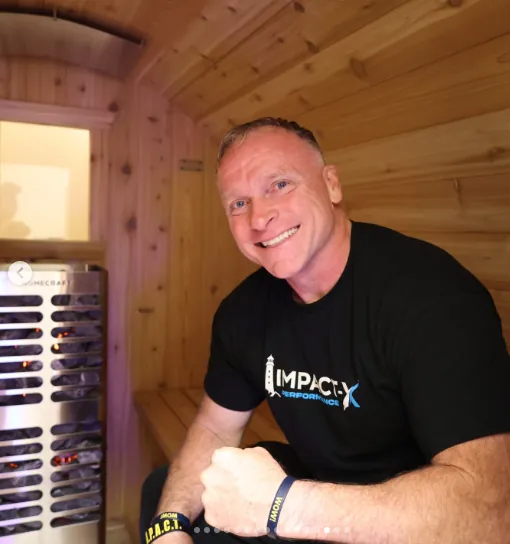
The renowned high-performance coach, bestselling author of Get Your Mind Right, and founder of the Todd Durkin IMPACT Show sat down with us—still buzzing from his own morning workout—and delivered a message every former athlete in the IDNTY community needs right now:
"Before you keep pushing through the rest of the year on autopilot, stop. Your greatest clarity, confidence, and courage often come from looking backward first."
This isn't soft New Year's fluff. This is the same disciplined review process elite athletes use after every game and every season—except now it's applied to your life after sports. For those of us who once lived and breathed competition, it's the bridge between "I used to be an athlete" and "I still am—one who's stronger, wiser, and more purposeful than ever."
Why Reflection Hits Different for Former Athletes Right Now
Todd breaks it down with five reasons that land especially hard when you've worn the jersey and felt the void afterward:
1. Reflection creates clarity amid the chaos.
Life after sports is loud—deadlines, family schedules, career moves, endless notifications. "Reflection pauses the world," Todd explains. "It slows down the noise and lets you actually hear your own life again." In the middle of Q2 chaos, that pause shifts you from reactive mode back to intentional.
2. Reflection builds confidence by celebrating real wins.
Most of us undervalue how far we've come. We dwell on the losses and "what ifs." Todd reminds us: most people dramatically underestimate their actual progress. Taking stock of your wins so far—big or small—reconnects you to the competitor who showed up every single day.
3. Reflection turns challenges into wisdom.
The injuries, the tough transitions, the setbacks at work or home—they don't define you; they refine you. "Challenges don't break you—they shape you," Todd says. When you write them down, pain transforms into purpose and lessons become leverage.
4. Reflection reduces stress and anxiety.
Thoughts swirling in your head create pressure. Getting them on paper creates perspective. "Writing is therapeutic," he notes. "When thoughts stay in your head, they create pressure. When they hit paper, they create perspective. Lighten the load. Breathe. Release."
5. Reflection realigns you with purpose and values.
This one hits former athletes hardest. "Reflection reconnects you to what matters most—your faith, your family, your mission, your calling," Todd emphasizes. "What are you all about? What are you being called to do? Your divine purpose." That same drive that made you a starter, captain, or All-American didn't vanish. It just needed a new field to dominate.
The 10 Questions That Will Reset Your Year Right Now
Todd doesn't just preach reflection—he gives you the exact playbook. Block out 30–60 minutes this week. Grab a journal. Find a quiet spot after a workout, on a walk, or with coffee in hand. Then answer these 10 powerful questions honestly:
1What were your top 5 wins or highlights so far this year?
2What were your biggest challenges—and what did they teach you?
3In what ways did you grow the most in the first half of the year?
4What did you start earlier this year that you want to amplify for the rest of the year?
5What did you tolerate in the first half that you will no longer tolerate moving forward?
6What relationships mattered most—and how can you be more intentional with them?
7What habits fueled you? What habits drained you?
8What are you most proud of so far this year?
9Where did you feel the presence of God (or your higher power) the most this year?
10If the first half of this year were a chapter in the book of your life, what would the title be?
Todd urges you to sit with these questions because "when you start with reflection, your goals become more meaningful. Your vision becomes even clearer and your drive becomes even more pure."
From the Field to Real Life: Reflection Is Still Film Study
Think back to your playing days. After every game, you watched film. You broke down what worked, what didn't, and exactly how to improve. Life after sports is no different—the game just changed. Reflection is your new film room.
Todd has seen it with countless former athletes he's coached: the ones who carve out time for honest review are the ones who stay strong, purposeful, and excited about what's ahead. They don't drift. They evolve. And they carry that unshakable athletic identity into every area of life.
Todd's own journey proves the power of this practice. He's built a thriving coaching empire, raised a family, and stayed physically and mentally elite well into his 50s—because he never stops doing the deep work of reflection.
Your Action Step for a Legendary Second Half
We're past the New Year's resolution phase. Now it's about mid-year momentum. This week—before the year slips further away—do what the great ones do:
Block 30–60 quiet minutes.
Open your journal or a fresh document.
Answer Todd's 10 questions with brutal honesty.
Celebrate the wins. Extract the lessons. Reconnect to your purpose.
Then step back into the rest of the year carrying fresh clarity, confidence, and courage.
You already have the discipline of an athlete. You already know how to show up. Now use reflection to make sure you're showing up for the right things—the ones that light you up and build a legacy.
That's the IDNTY way. Your game never ends—especially when you take time to look back, extract the gold, and move forward with renewed purpose.
Todd Durkin just handed you the playbook. Now it's your move.