If you played sports long enough, you already know this truth: comfort never made anyone better.
The early lifts when no one was watching. The conditioning drills you secretly dreaded. The moments before a big game when doubt crept in—but you showed up anyway. That ability to lean into discomfort is what separated you from everyone who quit.
Bas Rutten built his entire life on that principle.
The UFC Hall of Famer, MMA pioneer, and IDNTY favorite didn't just dominate fighting—he mastered the art of stepping into uncomfortable situations on purpose, over and over again, until they became fuel. And decades after his competitive career ended, that mindset showed up in an unlikely place: a Hollywood movie set.
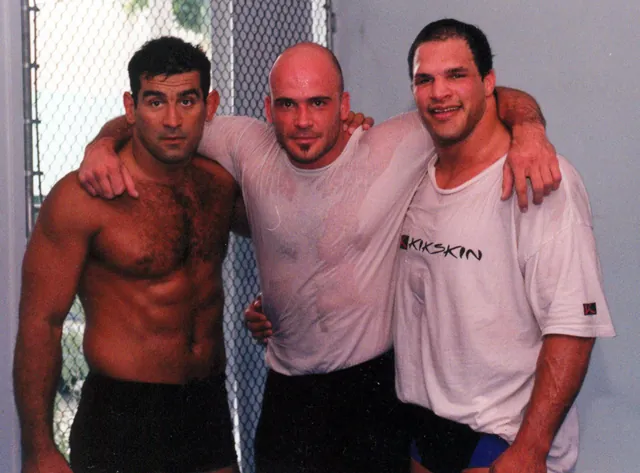
Turning a Movie Set into a Dojo
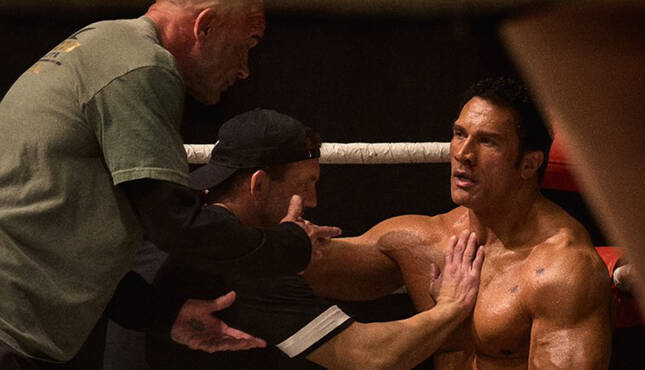
In The Smashing Machine, the acclaimed biopic about MMA legend Mark Kerr, Rutten appears as himself. But instead of "acting," he did what he's always done—he coached.
When director Benny Safdie told him to simply "be Bas," Rutten leaned in. No rehearsals. No choreography. No comfort zone.
"There was a script, but Benny said, 'Dude, it's you. Follow the guidelines, but do what you would do.'"
Rutten immediately pushed the production toward discomfort.
Rather than walking Dwayne "The Rock" Johnson through techniques beforehand, Rutten insisted on teaching him live, on camera—the same way he'd teach a fighter preparing for a real fight.
"If we go over techniques beforehand, you're acting. If I really teach you, you really have to pay attention—and that comes across way better."
For Johnson, one of the biggest stars on the planet, that meant months of real preparation: wrestling-style takedowns, ground-and-pound, and absorbing controlled strikes at 65–70% power. No shortcuts. No Hollywood tricks.
For Rutten, it was familiar territory. Pressure is where truth shows up.
Why Discomfort Always Wins
This approach wasn't about realism for realism's sake. It was about something deeper—the same thing every former athlete wrestles with after sports end.
Growth requires friction.
Rutten's entire career was built by walking toward situations most people avoid. He didn't rehearse comfort. He rehearsed chaos.
"All those scenes—you're seeing me really teach him, and him really learning. That's because I've been teaching my whole life."
That's the same lesson IDNTY exists to remind you of: the edge you built as an athlete doesn't disappear—it just needs a new arena.
Forged by Discomfort from the Start
Rutten didn't develop mental toughness in the UFC. It started much earlier.
As a kid, he was relentlessly bullied for his asthma and eczema.
"I was bullied on a daily basis."
Most people retreat inward when life gets painful. Rutten chose the uncomfortable alternative: confrontation.
Inspired by Bruce Lee's Enter the Dragon, he decided to fight back. In his first real confrontation, he knocked out the biggest bully with one punch.
That moment changed everything.
Instead of hiding, Rutten leaned into fear. He made a list of every bully—and systematically confronted them. Fear didn't disappear, but it stopped controlling him.
That's a pattern former athletes recognize instantly. Confidence isn't the absence of fear—it's acting anyway.
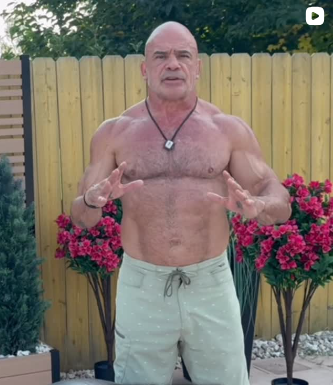
Calm Under Fire: The Bouncer Years
Later, as a bouncer, Rutten faced violence regularly—but again, he chose the harder path.
Instead of feeding his ego, he trained himself to stay calm.
"Out of ten situations, nine times we don't fight because I talk them out of it."
That emotional control—built through repetition and discipline—is the same skill that helped him win fights and avoid unnecessary damage. When violence was unavoidable, his preparation kicked in. But most of the time, awareness and communication won.
This mindset shows up clearly in Rutten's teaching today: don't let emotion hijack your performance.
"Anger makes you load up punches. If you control your emotions, you win."
Sound familiar? It's the same reason you played better when the game slowed down.
Habits Beat Motivation—Every Time
Rutten doesn't rely on hype or motivation to perform. He relies on systems.
A 5:30 a.m. routine. Prayer. Training. Consistency.
"Once I create a habit, I stick with it. That helped me in fighting—and in life."
For former athletes navigating careers, families, and identity shifts, this is everything. You don't need a locker room speech—you need structure.
It's the same philosophy behind Rutten's breathing and recovery practices, which we've explored before here at IDNTY. Breath control, emotional regulation, and awareness aren't soft skills—they're performance tools. They help you step into discomfort without panicking.
Modern Bullies, Same Strategy
Today's "bullies" don't always look like they did in school. Sometimes they're toxic bosses, aggressive drivers, or internal self-doubt.
Rutten's approach hasn't changed:
Break the situation down. Slow it down. Stay aware.
"You'll always find out—it's stupid. Stay calm."
And above all, avoid unnecessary fights—physical or mental.
"Eighty-five percent of attacks are stopped before they happen through awareness."
That's not weakness. That's mastery.
The IDNTY Takeaway
Bas Rutten didn't become who he is by staying comfortable.
He chose discomfort as a training partner—whether it was bullying, bar fights, UFC cages, or a Hollywood set. And decades later, that same mindset is still sharpening his edge.
For the IDNTY community, the message is clear:
You already know how to handle pressure. You already know how to commit. You already know how to grow.
The only question is whether you'll keep stepping into the uncomfortable—or retreat into convenience.
Your competitive days didn't end. They just changed arenas.
Keep fighting.