The Pursuit of Perfect
Annika Sörenstam on Relentless Preparation, Reinventing Her Competitive Identity & Building a Legacy Beyond Golf
For most professional golfers, shooting 59 is the round of a lifetime.
For Annika Sörenstam, it was another day at the office.
On March 16, 2001, Sörenstam became the first woman to shoot a 59 in an official professional tournament, producing a performance that remains one of golf's most extraordinary achievements. It wasn't a lucky afternoon or a collection of fortunate bounces. It was the product of preparation, repetition, confidence, and a competitive mindset that would define one of the greatest careers in the history of the sport.
Seventy-two LPGA victories. Ten major championships. Eight LPGA Player of the Year awards. A career Grand Slam. More than $22 million in official LPGA career earnings.
And then, at 38, she stepped away from full-time professional golf.
Not because she couldn't compete. Not because the game had passed her by. She wanted to start a family, build her businesses, and create opportunities for the next generation of women in golf.
Nearly two decades later, Sörenstam remains deeply involved in the sport. She is a mother, entrepreneur, philanthropist, course designer, mentor, and occasional competitor. Her relationship with fitness has evolved, too.
The woman who once approached every practice session with the precision of a scientist now has a different objective: staying strong, active, healthy, and present for the people and projects that matter most.
The pursuit of excellence never ended. The definition simply changed.
The Making of a Champion: A Multi-Sport Childhood in Sweden
Sörenstam grew up in Bro, Sweden, just outside Stockholm. Like many young athletes, she didn't initially know which sport would become her future.
She played tennis, soccer, skiing, and badminton. Golf entered the picture when she was 12, and she and her younger sister, Charlotta, initially shared a set of clubs.
That multi-sport foundation would prove important.
Golf rewards precision, but it also requires balance, coordination, athletic movement, mental resilience, and the ability to repeat complex movements under pressure. Sörenstam developed those qualities through years of varied athletic experiences before committing fully to the game.
She was also naturally shy. Her development wasn't simply about learning to hit a golf ball. It involved building confidence, learning to compete, and becoming comfortable performing in front of others.
She eventually earned a scholarship to the University of Arizona, where she became the first freshman and first international player to win the NCAA individual women's golf championship in 1991.
After turning professional in 1992, her rise accelerated.
By 1994, she was LPGA Rookie of the Year. Her first major championship arrived at the 1995 U.S. Women's Open. Within a few seasons, she had established herself as one of the most complete players in the game.
The Standard of Excellence: Changing the Way Women's Golf Was Played
Sörenstam didn't simply dominate her competition. She changed expectations.
Her approach to preparation was unusually systematic. She tracked practice, studied her swing, prioritized physical conditioning, and treated fitness as an essential part of golf performance rather than an optional addition.
In a 2003 interview, she described a training schedule that changed with the competitive calendar. She aimed for approximately three workout sessions during tournament weeks and five during weeks away from competition. Her strength program moved through different six-week phases, alternating lighter, medium, and heavier training. Weight training was a major component.
The results were extraordinary.
In 2001, she won eight LPGA tournaments, including the Standard Register PING Championship, where she shot her historic 59.
In 2003, she won 11 tournaments worldwide and became the first woman in nearly 60 years to compete in a PGA Tour event, playing at the Colonial Invitational against a predominantly male field.
She didn't make the appearance for publicity. She wanted to test herself against the best available competition.
She finished the year with two more major championships, completing the LPGA career Grand Slam.
Between 2001 and 2005, she won 43 of the 104 tournaments she played. That's a winning percentage of more than 41 percent.
Think about that for a moment. She won more than four out of every ten tournaments she entered during a five-year stretch at the top of her game.
Her competitive excellence was built on a simple philosophy: control what you can control, prepare for what you cannot, and never allow the standard to slip.
The Decision to Walk Away: Choosing Family Over Another Trophy
In May 2008, Sörenstam announced that she would step away from full-time professional golf at the end of the season.
She was 37 when she announced the decision and 38 when she finished her final full-time LPGA season. She had 72 LPGA victories, ten majors, and a legacy already secure.
Her priorities were changing.
She wanted to get married, have children, and devote more time to building the ANNIKA brand and the foundation she had established in 2007.
It was a decision that required a different kind of confidence.
Professional athletes spend their entire lives chasing the next opportunity. Another tournament. Another championship. Another chance to prove they still belong.
Sörenstam recognized that there were opportunities beyond the golf course that deserved the same commitment she had given her playing career.
She didn't abandon golf. She expanded her relationship with it.
The ANNIKA Foundation became a central part of that next chapter, creating competitive opportunities for young women and promoting healthy, active lifestyles through fitness, nutrition, mentorship, and education.
Her family also became a major part of her life. She and her husband, Mike McGee, have two children, Ava and Will.
The transition from full-time competitor to mother and businesswoman didn't remove her competitive instincts. It gave them new places to go.
Life After the Tour: Building Something Bigger Than a Scorecard


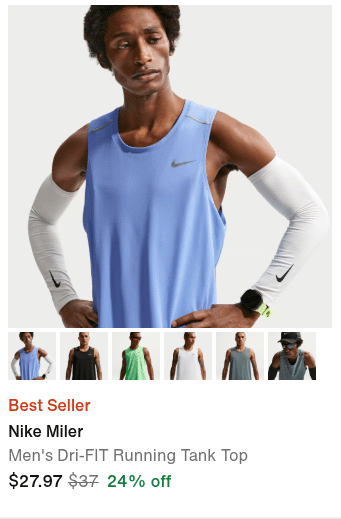
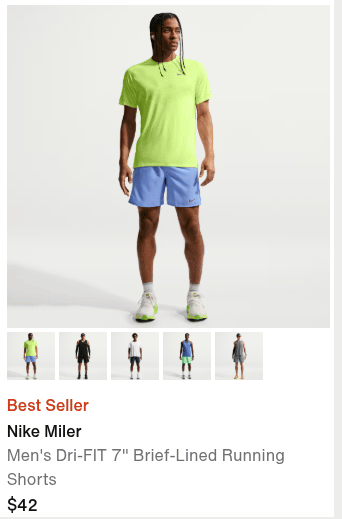
Sörenstam's post-playing career is a case study in how elite athletes can translate their skills into entirely different industries.
The ANNIKA brand has expanded into apparel, golf course design, golf instruction, events, and other business ventures. Her foundation hosts junior competitions, collegiate tournaments, international invitationals, and educational programs.
The mission is bigger than developing the next great golfer.
It is about using golf as a vehicle to teach young women confidence, leadership, discipline, and healthy living.
In 2026, the foundation continued expanding its global programming, including international junior events and its More Than Golf educational series. A new partnership with 1Password also brought leadership development, mentorship, and cybersecurity education into its work with young women.
The competitive side hasn't disappeared, either.
In 2021, Sörenstam returned to tournament golf and won the U.S. Senior Women's Open by eight strokes. Five years later, she was still competing in senior events, demonstrating that her relationship with the game remains very much alive.
There is something particularly powerful about that return.
She no longer needs golf to validate her identity. She can compete because she enjoys the challenge.
That is a very different relationship with sport—and one that many former athletes can learn from.
The New Training Blueprint: Strength, Pilates & Staying Active for Life
Sörenstam's approach to fitness has evolved alongside her priorities.
During her competitive years, training was designed to support swing speed, distance, strength, and tournament endurance. Today, it is more about maintaining functional strength, mobility, balance, and energy.
She has spoken about continuing to visit the gym, even as her practice routine has become less structured. In a first-person account for the USGA, she described how she still works on her game but enjoys a more relaxed relationship with practice, including playing a few holes with her son, Will.
She has also embraced Pilates, particularly Reformer Pilates, as part of her fitness approach. In discussing the benefits, she has highlighted the connection between physical conditioning and mental well-being.
Her earlier strength training focused heavily on the upper body, trunk, and thighs to build power in her golf swing. Pilates offered another way to develop body awareness, stability, and control.
And there are still familiar elements of the old competitive routine. During a 2024 golf leadership discussion, she identified the Peloton bike as her favorite workout.
The important distinction is that she is no longer training to prepare for 30 tournaments a year.
She is training to remain capable of enjoying all the things that fill her calendar: family, travel, golf, business, foundation events, and the occasional return to competition.
For former athletes, that's an important distinction.
You don't need to maintain the training volume of your playing days to maintain the habits that made you successful.
An IDNTY-Inspired Workout: Train Like Annika
A sample golf-inspired strength and conditioning session, drawing on Sörenstam's publicly discussed emphasis on strength, Pilates, and cycling. This is not her personal prescribed workout.
The Precision & Power Workout
40–45 minutes
Focus: rotational strength, core stability, balance, mobility and cardiovascular fitness.
Warm-up — 5 minutes
Easy cycling
Shoulder circles
Hip rotations
Thoracic spine rotations
Strength & rotational stability — 3 rounds
| Exercise | Reps |
|---|---|
| Goblet squat | 12 |
| Dumbbell Romanian deadlift | 10 |
| Half-kneeling cable chop | 10 each side |
| Single-arm dumbbell row | 10 each arm |
| Pallof press | 12 each side |

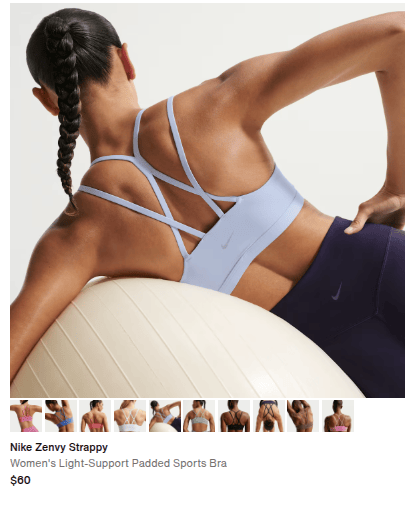
Pilates-inspired core & balance — 2 rounds
| Exercise | Reps / Time |
|---|---|
| Bird dogs | 10 each side |
| Dead bugs | 10 each side |
| Single-leg balance | 30 seconds each leg |
| Glute bridge hold | 30 seconds |
| Side plank | 20–30 seconds each side |
Cardio finisher — 8 minutes
Stationary bike at a comfortable, sustainable pace
Alternate two minutes steady with one minute slightly faster
Cool-down — 5 minutes
Hip flexor stretch
Hamstring stretch
Chest and shoulder mobility
Controlled breathing
Choose resistance and exercise variations appropriate to your ability. Prioritize control and movement quality over speed or weight.
Your Playbook: How to Build a Championship Life Like Annika
1. Preparation is a competitive advantage in everything you do.
Sörenstam's success wasn't built on talent alone. Her detailed approach to practice, strength training, and tournament preparation created a repeatable system. Apply that same thinking to your career, fitness, and personal goals.
2. Don't allow one sport to limit your athletic identity.
Her childhood included tennis, soccer, skiing, and badminton before golf became her primary sport. Former athletes can benefit from rediscovering different forms of movement. Cycling, swimming, Pilates, hiking, and strength training can all become part of a new athletic chapter.
3. Strength training should evolve with your goals.
You don't need to train like you're preparing for a major championship. Focus on functional strength, balance, rotational stability, and mobility. Build a body that supports the life you want to live.
4. Consistency beats the perfect workout.
Sörenstam's approach to fitness demonstrates the value of making movement part of everyday life. Schedule your workouts. Keep them manageable. Don't wait for the perfect window of time.
5. Build a legacy that extends beyond your personal accomplishments.
The ANNIKA Foundation is perhaps one of the strongest examples of how an athlete can turn individual success into opportunity for others. Find ways to mentor, coach, invest, or help the next generation.
6. Don't be afraid to redefine your definition of winning.
Walking away from professional golf at 38 wasn't an admission that she couldn't continue. It was a recognition that other priorities deserved her attention. Success isn't always about adding another trophy.
7. Keep competing, even if the scoreboard changes.
Sörenstam still enjoys tournament golf, but her competitive energy now extends to family, business, leadership, and philanthropy. The desire to improve doesn't have to end when the playing career does.
Annika Sörenstam spent her professional career pursuing perfection. She reached heights that few golfers—male or female—have ever approached.
But perhaps her greatest achievement is what happened after she stopped playing full-time.
She built a family, expanded her business interests, created opportunities for young women, and remained connected to the sport that shaped her life.
She still works out. She still plays golf. She still competes.
She just doesn't need a trophy to prove she's an athlete anymore.
The lesson for every former high school, college, and professional athlete is simple: the end of your playing career doesn't have to be the end of your pursuit of excellence.
Your goals can change. Your priorities can change. Your training can change.
Your identity doesn't have to disappear.
The pursuit of perfection never really ends. It simply finds a new purpose.
Ready to Train Like a Champion?
Unlock world-class training built for athletes who keep showing up for the next chapter.
Unlock the App