It was 2004. Michael Jordan had been "retired" for a year—officially done after his Wizards stint. No more NBA jerseys, no more contract obligations. Most legends fade quietly into golf courses and endorsements. Not Jordan.
Jordan showed up at the famed HOOPS gym in Chicago for a pick-up game with current NBA players—some household names in their own right (identities shall remain hidden to protect their legacies).
The current pros didn't want him to play. They pulled Tim Grover aside: "No, don't let him play." Grover couldn't understand why. These were young, athletic, in-season stars—why fear a 41-year-old retiree?
Then Jordan got heated. "I built this place," he said, voice low but cutting. "I play, or no one plays." That settled it.
The game started. For three hours, Jordan dominated like it was Game 7 of the Finals. Diving for loose balls, raging intensity, trash-talking, hitting fadeaways, locking up on defense. He moved like time hadn't touched him—still explosive, still the most competitive man in the gym, still Air Jordan.
He sealed the win with a last-second shot. Then he took his throne in the corner, towel over his shoulders, that familiar grin creeping across his face.
One of the NBA stars—frustrated, sweating, ego bruised—complained: "I told you to not let him play. You're going too hard, man."
Jordan looked up, eyes locked, and delivered a line that still echoes: "No one would know your name if I was still in the league."
The star stormed off. Jordan just sat there with that huge grin.
That's when we knew—Jordan was different. He hadn't retired. He just wasn't playing in the NBA any longer. The fire never went out. It simply found new outlets.
This is more than a story about basketball's GOAT. It's a masterclass in what every former high school and college athlete can still become when they refuse to retire their relentless mindset.
The Birth of Relentless: How a Newspaper Clipping Changed Everything
In the late 1980s, the Detroit Pistons—"Bad Boys" era—were beating the Bulls into submission with brute physicality. Jordan was getting hammered every night, and he was tired of it.
Grover, then a young trainer making $3.35 an hour at a local health club, saw a small newspaper article quoting Jordan saying he was fed up with the abuse. He wrote Jordan a letter offering to help.
Jordan called back. Their first meeting? Grover gave him one simple challenge: "Give me 30 days." Thirty days turned into 15 years.
From day one, Grover saw something in Jordan that went beyond talent: an obsession with becoming unguardable in every area the Pistons exploited.
The Breakfast Club: The 5 a.m. Weapon That Built A Legend
The Pistons owned the East. They knew how to rough up the smaller, flashier Bulls. Jordan decided the only way to beat them was to become stronger, tougher, and more prepared than anyone else on the planet.
So he created the Breakfast Club.
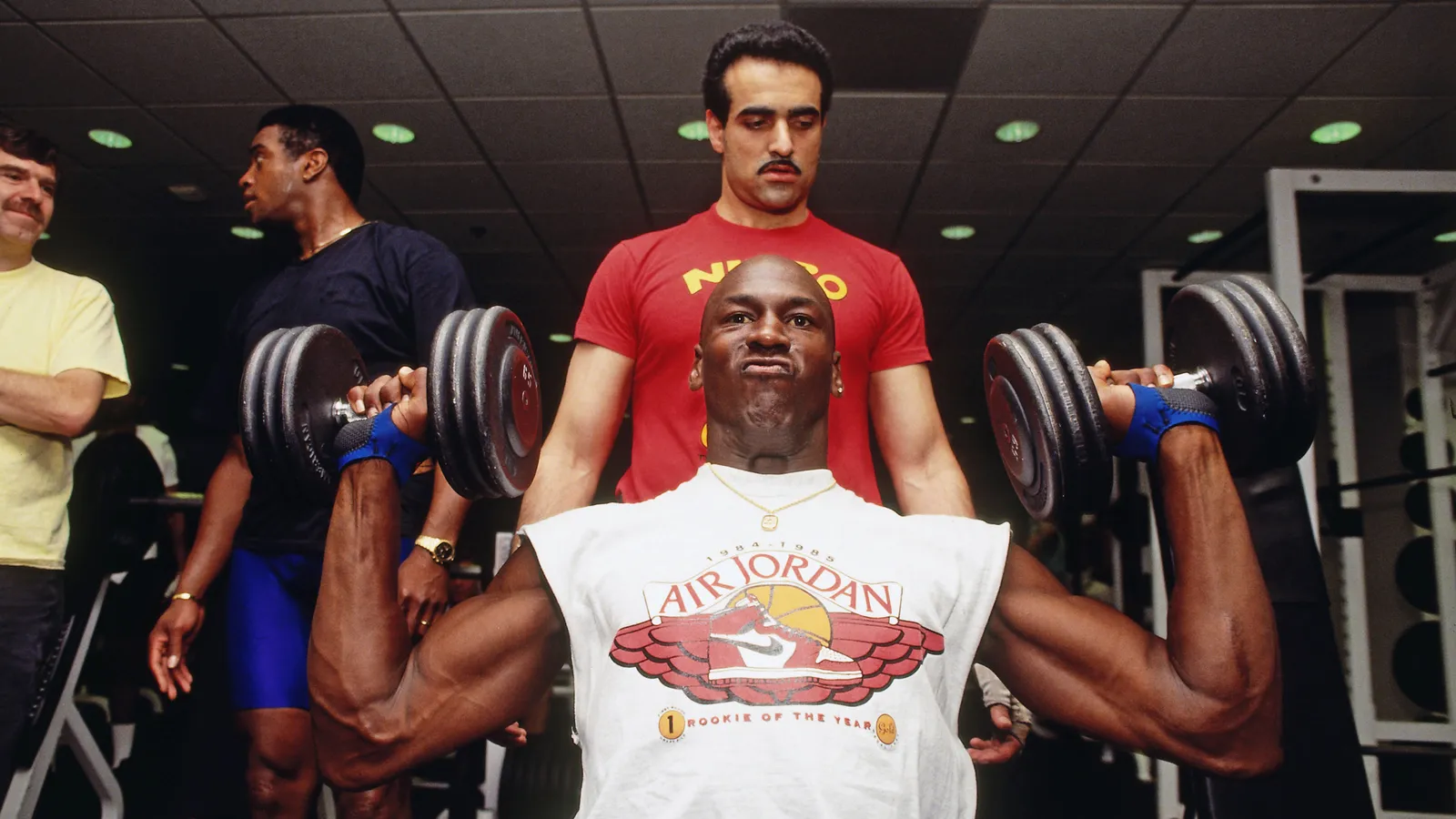
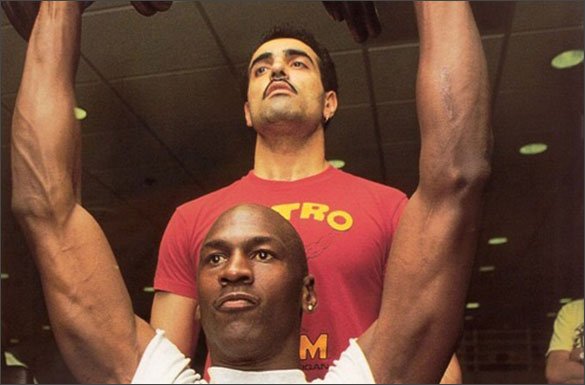
Before the 1990–91 season (and continuing through the dynasty years), Jordan, Scottie Pippen, and later Ron Harper would meet at Jordan's house at 5, 6, or 7 a.m.—whatever time Jordan decided that day.
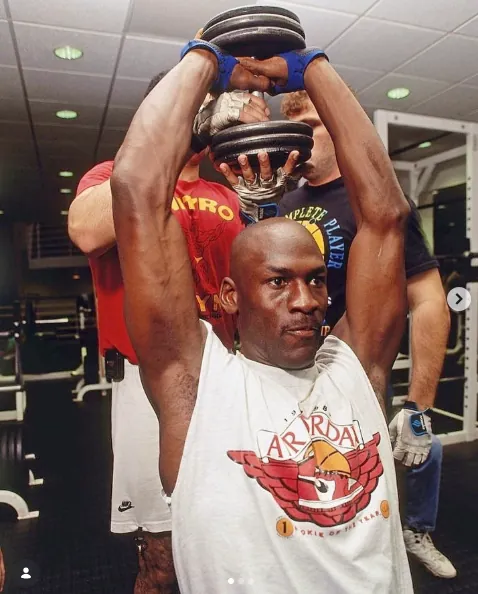
Grover would arrive 15 minutes early. Sometimes Jordan was already halfway through his warm-up, rolling out the bottoms of his feet with PVC pipe, an ahead-of-its-time recovery move.
The workout lasted 45–90 minutes depending on the season:
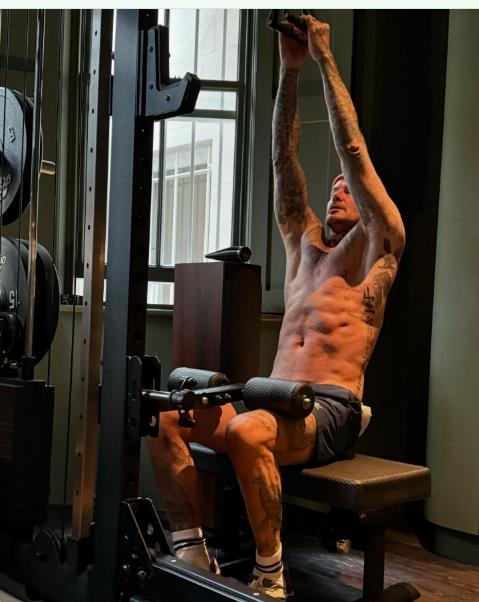
Heavy compound lifts
Squats, deadlifts, bench press, power cleans — rotated daily so the body never adapted.
Core annihilation
Medicine ball sit-ups (holding a ball in each hand), physio-ball push-ups, hanging leg raises, Russian twists — 3 sets of 10–15 reps, twice a week before regular practice.
Upper body & pulling strength
Pull-ups (Jordan went from barely 3 to serious sets), rows, shoulder work — because he finally admitted he needed "pecs" and a stronger back to absorb contact.
Agility & explosiveness
Lateral movements, single-leg work on balance boards, quick-foot drills.
After the lift? Chef-prepared breakfast upstairs—high-protein, nutrient-dense fuel—then straight to Bulls practice.
Jordan didn't just do it for himself. He brought his teammates in because he knew elevating them would elevate the entire team.
"The Breakfast Club was a mindset more than a workout. The physicality of the game was changing. The League was allowing defenders to be a lot more physical with the ball handler and I knew that I had to find a way to get stronger and be able to deal with the beating. We wanted to be more prepared than anyone else." — Michael Jordan
The results? The Bulls swept the Pistons in the 1991 Eastern Conference Finals. Then won the first of three straight championships. The dynasty was born in those dark 5 a.m. sessions.
"Make Your Weakness Your Strength": The Jordan-Grover Master Unlock
Jordan's early career weakness was clear: he was getting physically dominated. Most players would have complained or hoped the refs would protect them. Jordan did the opposite. He turned his greatest vulnerability into his greatest weapon.
Jordan attacked weaknesses with the same ferocity he attacked the rim:
Not strong enough upper body?
→ Heavy bench, rows, pull-ups until he had visible pecs and a back that could absorb contact.
Defense seen as a weakness early on?
→ Became the best perimeter defender in the league and won Defensive Player of the Year.
Shooting not automatic from mid-range?
→ Countless hours perfecting the fadeaway until it became unstoppable.
Leadership questioned in the early years?
→ Demanded excellence from everyone around him and led by doing more than anyone.
This "make your weakness your strength" mindset is Grover's core teaching in his book Relentless. "Your mind has to be stronger than your feelings. Feelings make people overthink. Your mind makes decisions." Jordan lived it every single day. No days off. No excuses. Even after winning titles, he came back hungrier.
"Every loss was a learning experience… Michael has this great mindset: 'I never lost a game, I just ran out of time.'" — Tim Grover
From Court to Boardroom: The Same Relentless Mindset Built a Business Empire
When Jordan retired for the final time in 2003, most assumed the competitive fire would cool.
Instead, he redirected it.
Jordan Brand (his Nike partnership) now generates over $7 billion in annual revenue for Nike. Jordan reportedly earns around $150–350 million per year in royalties alone—more in one year than his entire 15-season NBA salary combined ($90 million total).
In 2010 he bought majority control of the Charlotte Bobcats (now Hornets) for roughly $275 million. In 2023 he sold his majority stake at a $3 billion valuation—more than 10x return—while retaining a minority piece. Forbes now values his net worth at $3.8 billion as of early 2026, making him the richest former professional athlete in history.
He didn't just cash checks. He built systems. He demanded excellence. He turned every "weakness" in business (lack of ownership experience, navigating corporate structures, building a brand beyond sneakers) into strength through the same relentless preparation he showed on the court.
The Breakfast Club wasn't just about basketball. It was a blueprint for life after the game.
Beyond Jordan: The Grover Method Built a Generation of Champions
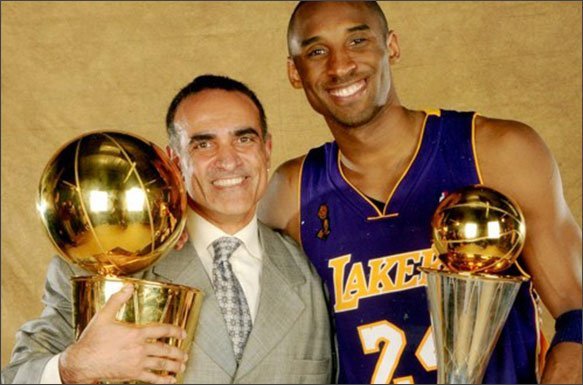
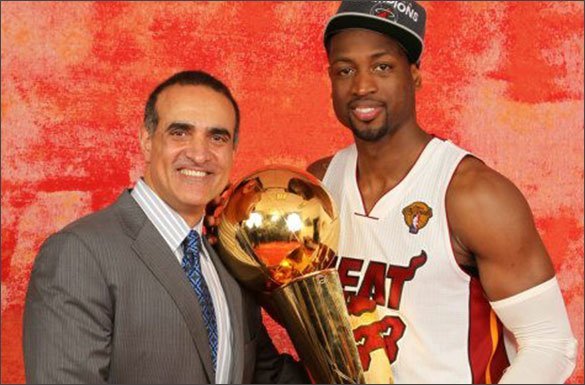
Jordan was the start. But the same relentless approach Grover refined in those 5 a.m. sessions went on to forge a generation of champions—including Kobe Bryant and Dwyane Wade, both of whom credit Grover with helping them stack NBA Finals trophies.
Kobe took the Mamba Mentality and made it religion. Wade turned the same obsession into a Hall of Fame career and three rings in Miami. Different players. Same standard.
Your Relentless Playbook: How Former Athletes Can Apply the Jordan-Grover Winning Mindset Today
You don't need to be Michael Jordan to live this way. Here's exactly how to make your weakness your strength and build your own post-career dynasty:
Identify Your Pistons
What's beating you up right now? The 9-to-5 that drains you? The extra 20 pounds since college? The fear of starting that business? Name it. Then attack it like Jordan attacked the Bad Boys.
Build Your Own Breakfast Club
Schedule non-negotiable early sessions—5 or 6 a.m. three to five days a week. Compound lifts, core work, mobility. Bring a teammate (spouse, friend, accountability partner). Consistency beats intensity.
Turn Weakness Into Daily Work
List your three biggest weaknesses (physical, mental, professional). Create a 30-day plan to attack them like Jordan did with his upper body and core. Track everything. Grover still has notebooks full of Jordan's step counts per game.
Make Your Mind Stronger Than Your Feelings
Feelings say "I'm tired." Mind says "Show up anyway." Grover taught Jordan: "You have to know when to turn your heart off and your mind on."
Fuel Like a Champion
Protein, hydration, real food. Jordan's post-workout shake: creatine, coconut water, two bananas, almonds, ice. Simple. Effective.
Build Something Bigger
Use your athletic discipline for business, mentoring, family legacy. Jordan didn't just endorse shoes—he built an empire that outlasts his playing days.
Never Stop Competing—With Yourself
The scoreboard changes, but the competitor doesn't. Measure progress against yesterday's version of you.
The Greatest of All Time—On and Off the Court
Michael Jordan didn't just win six rings. He proved that the relentless mindset that made him the greatest basketball player of all time is the same one that made him the greatest athlete-businessman of all time.
He took the physical beatings from the Pistons and turned them into the foundation of a dynasty. He took the "weaknesses" the world saw and made them legendary strengths. And when the final whistle blew, he didn't retire his greatness—he redirected it.
Tim Grover saw it up close for 15 years and summed it up perfectly: "His expectations were always greater than what anybody else put on him."
That's the standard.
For every former high school star now grinding a corporate job, every college All-American raising kids while building a side hustle, every athlete who wonders if the best version of themselves is in the rearview mirror—this is your reminder.
Your game never ends.
The Breakfast Club is still open. The work still matters. The fire is still yours to stoke.
Michael Jordan and Tim Grover showed the world how to do it.
Now it's your turn to be relentless.