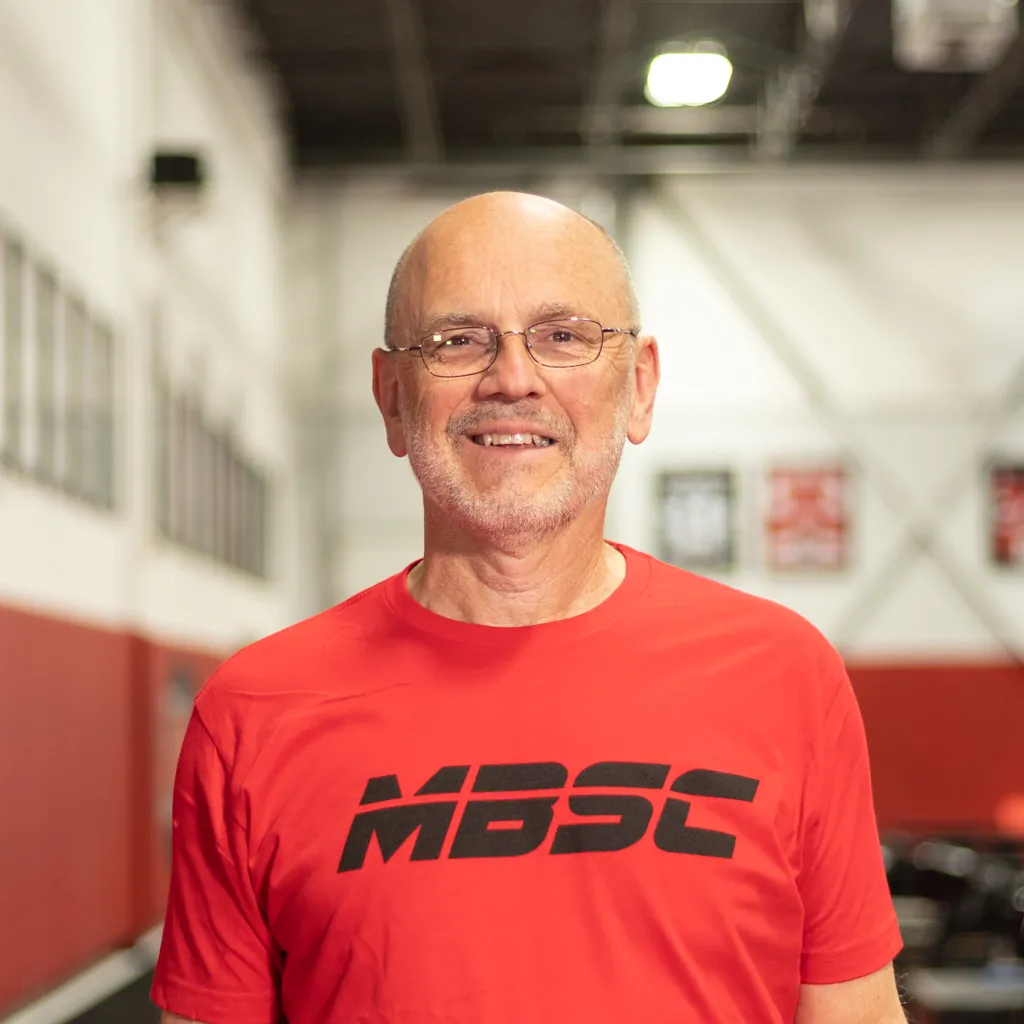
For decades, the strength and conditioning world operated on one simple belief: lift heavier, squat deeper, push harder. Bigger numbers meant better athletes. Then Mike Boyle stepped in and quietly proved everyone wrong.
Not with louder music or flashier drills — but with smarter thinking.
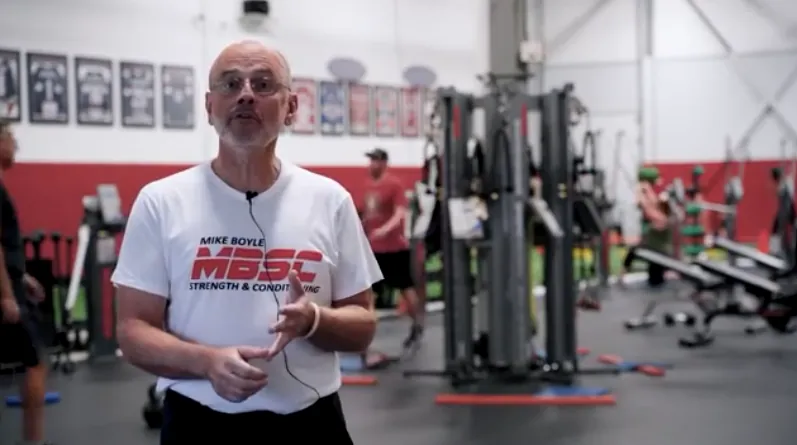
Mike Boyle didn't just build stronger athletes. He built durable ones. He built athletes who stayed on the field, stayed healthy, and kept performing year after year. In the process, he revolutionized how the entire industry thinks about performance — especially for those of us whose playing days are behind us but whose competitive fire never went out.
The Problem with Traditional Training
When Boyle entered the industry, weight rooms looked identical everywhere: endless back squats, Olympic lifts, and the unquestioned idea that more load always meant more progress.
Boyle challenged that entire philosophy.
"Strong isn't strong if you're injured. And most athletes don't get hurt in games — they get hurt in training."
Instead of chasing max lifts, Boyle zeroed in on movement quality, joint health, and real transfer to sport. His athletes didn't just get stronger on paper — they stayed available. And for Boyle, availability has always been the ultimate performance metric.
The Functional Training Revolution
Mike Boyle became one of the earliest and most vocal champions of what we now call functional training. At the time, his ideas felt radical.
His core principles were straightforward but game-changing:
Most sports are single-leg dominant
Core stability beats spinal loading
Train movement patterns, not isolated muscles
If an exercise hurts, it's probably the wrong one
Longevity always beats ego lifting
"Sports don't happen on two legs at the same time. So why does your training?"
This mindset led him to eliminate or modify exercises he believed carried unnecessary risk — most notably moving away from traditional back squats and box squats in favor of options that delivered better athletic return with far less wear and tear.
Why Mike Boyle Trains Athletes Differently
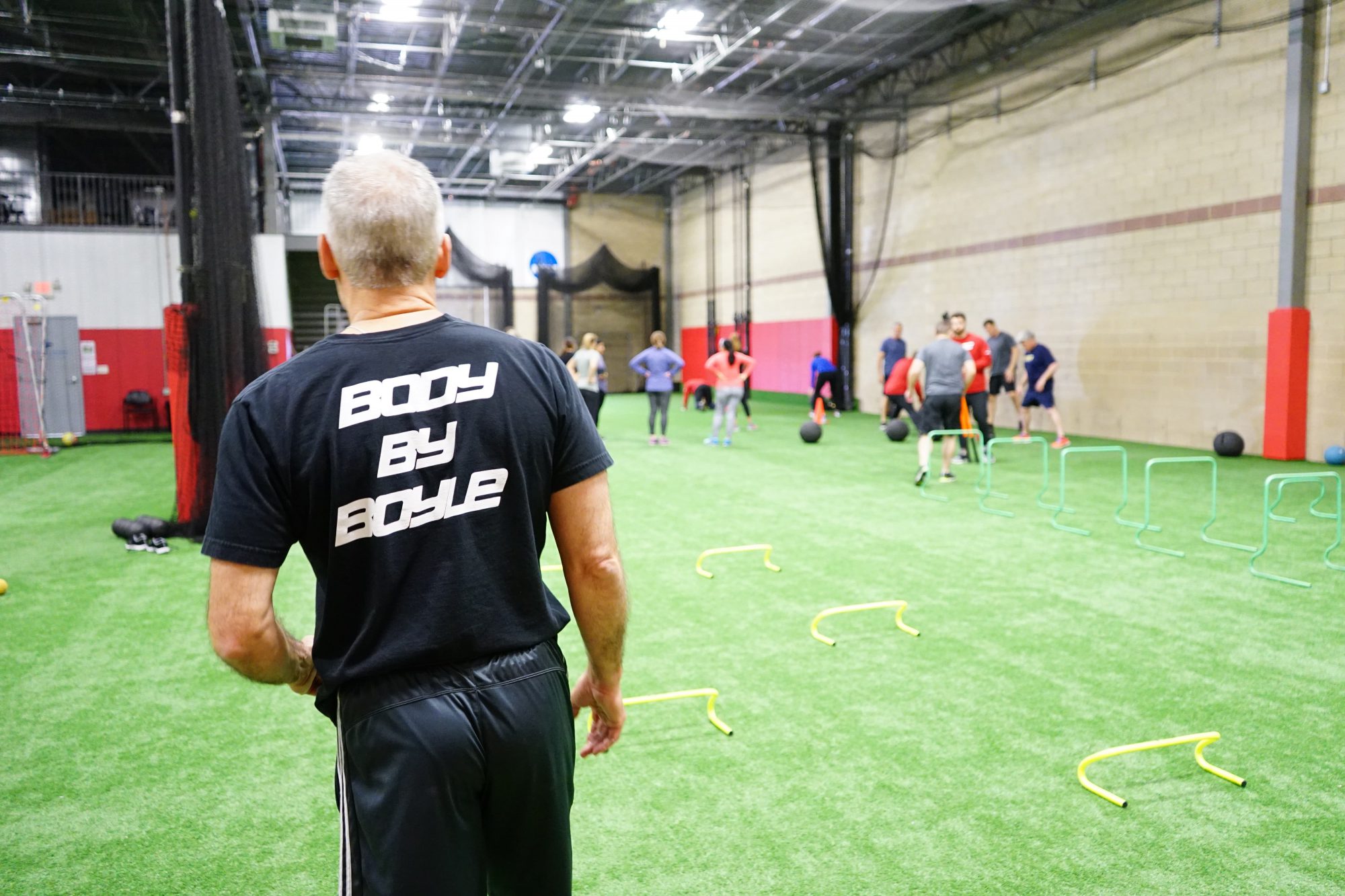
At Body By Boyle, he trained Olympic medalists, NHL stars, NFL players, and everyday competitors using the same core philosophy: train for sport, train for life.
Instead of asking "How much can you lift?", Boyle asks better questions:
- Can you move well?
- Can you control your body under fatigue?
- Can you stay healthy year after year?
"The goal isn't to win the weight room. It's to win the season — and your career."
Mike Boyle's Five Cornerstone Exercises
Mike isn't against strength — he's against stupid strength. Here are the five movements he consistently returns to for athletes and former athletes who want to stay powerful, mobile, and injury-free:
Rear-Foot Elevated Split Squat
Boyle's gold-standard lower-body exercise. It builds unilateral strength, improves hip stability, and minimizes spinal stress.
"If I could only pick one leg exercise, this would be it."
Trap Bar Deadlift
The smartest hinge pattern for athletes. More back-friendly than conventional deadlifts while delivering excellent force transfer to sport.
Push-Ups (Done Right)
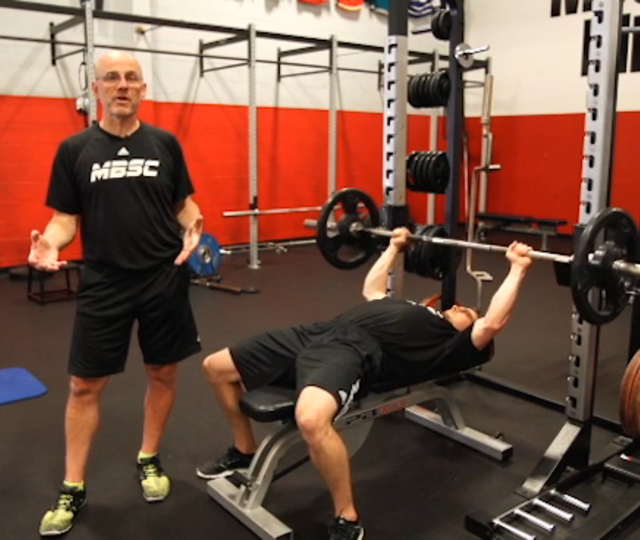
Simple, scalable, and incredibly effective. Boyle believes most athletes need better push-ups far more than they need bench presses. Full core and shoulder stability built in.
Chin-Ups / Pull-Ups
Upper-body strength with built-in mobility. They improve posture, strengthen the shoulders safely, and challenge grip and core simultaneously.
Single-Leg Romanian Deadlift
Balance, posterior chain strength, and hip control in one movement. Essential for injury prevention and athletic longevity.
The Former Athlete Blueprint
Mike Boyle's philosophy hits especially hard for former competitive athletes — the ones who still think and move like athletes but refuse to train like weekend warriors.
His message is direct:
Stop chasing the PRs of your 22-year-old self
The scoreboard moved. Your ego doesn't need to lift the same weight you did in college — your body needs to keep moving for the next 40 years.
Start chasing better movement and real durability
Quality over quantity. The athlete who can squat, hinge, push, and pull cleanly at 45 wins the long game.
Respect recovery like it's part of the game
Sleep, mobility, and soft-tissue work aren't optional. They're how you keep training tomorrow, next month, and next decade.
Train your asymmetries instead of ignoring them
Single-leg work, unilateral pressing, and rotational core work expose and fix what bilateral lifts hide.
"You don't stop training because you get older. You get older because you stop training — incorrectly."
This smarter approach keeps former athletes strong, lean, explosive, and pain-free well into their 40s, 50s, and beyond.
Education Over Ego
Beyond coaching elite athletes, Mike Boyle has become one of the most influential educators in the industry. Through clinics, articles, videos, and relentless social media content, he's taught thousands of coaches to think critically instead of copying trends.
"Good coaching isn't about copying. It's about understanding why."
That mindset has rippled out to millions of athletes around the world.
The Legacy
Mike Boyle didn't just change exercises. He changed how we think about training itself.
He proved that health and high performance can — and should — coexist. He showed that smart training will always beat hard training in the long run. And he gave every former athlete permission to keep training for life, not just for the next season.
You don't need to train like a powerlifter to stay powerful.
You don't need pain to make progress.
And you don't need ego to be strong.
As Mike Boyle has demonstrated for decades:
"The best training is the training that lets you keep training."
That's not just smart programming. That's wisdom.